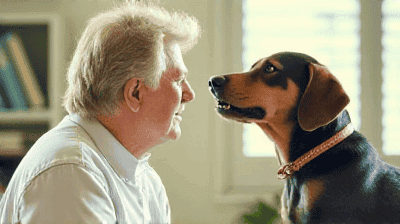
Adopting a dog from a shelter is a rewarding experience that gives a deserving animal a second chance at a loving home. However, with so many dogs in shelters, choosing the right one for your lifestyle and family can be overwhelming. One of the most important factors to consider is temperament. Understanding a dog’s temperament—their personality, behavior, and emotional tendencies—can help you find a compatible companion who will thrive in your home.

Adopting a dog from a shelter is a rewarding experience that gives a deserving animal a second chance at a loving home. However, with so many dogs in shelters, choosing the right one for your lifestyle and family can be overwhelming. One of the most important factors to consider is temperament. Understanding a dog’s temperament—their personality, behavior, and emotional tendencies—can help you find a compatible companion who will thrive in your home.
1. Why Temperament Matters in Shelter Dogs
What Is Temperament?
Temperament refers to a dog’s innate personality traits, including their energy level, sociability, and response to stress. It is shaped by genetics, early experiences, and environment.
Why It’s Important
A dog’s temperament affects how they interact with people, other animals, and their surroundings. Assessing temperament helps you choose a dog whose personality aligns with your lifestyle, ensuring a harmonious relationship.
The Role of Shelters
Shelters often evaluate dogs’ temperaments to provide potential adopters with information about their behavior. However, keep in mind that a dog’s behavior in a shelter may not fully reflect their true personality due to stress or anxiety.
2. Key Traits to Look for in a Shelter Dog

Energy Level
- High-Energy Dogs: These dogs are active, playful, and require plenty of exercise. They are ideal for active families or individuals who enjoy outdoor activities.
- Low-Energy Dogs: These dogs are calmer and prefer lounging around the house. They are well-suited for quieter households or seniors.
Sociability
- People-Oriented: Dogs that seek human interaction and enjoy being petted or cuddled.
- Independent: Dogs that are more self-sufficient and less reliant on constant attention.
Friendliness
- Good with Children: Dogs that are patient, gentle, and tolerant of children’s behavior.
- Good with Other Pets: Dogs that get along well with other animals, such as cats or other dogs.
Confidence vs. Timidity
- Confident Dogs: These dogs are outgoing, curious, and adapt well to new situations.
- Timid Dogs: These dogs may be shy or fearful, often due to past trauma or lack of socialization. They may require patience and gentle handling.
Trainability
- Eager to Please: Dogs that are responsive to commands and enjoy learning new behaviors.
- Strong-Willed: Dogs that may be more independent or stubborn, requiring consistent training.
Stress Resilience
- Calm Under Pressure: Dogs that remain relaxed in stressful situations, such as visits to the vet or exposure to loud noises.
- Anxious or Nervous: Dogs that may become stressed easily and require a calm, predictable environment.
3. How to Assess a Dog’s Temperament at a Shelter
Observe Their Behavior
- Watch how the dog interacts with shelter staff, volunteers, and other animals.
- Note their body language, such as wagging tails, relaxed posture, or signs of stress (e.g., panting, pacing, or cowering).
Spend Time with the Dog
- Ask the shelter if you can spend one-on-one time with the dog in a quiet area.
- Engage in activities like walking, playing, or sitting quietly to see how they respond.
Ask Questions
- Inquire about the dog’s history, including their age, breed, and any known behavioral issues.
- Ask how the dog reacts to certain situations, such as meeting new people or being left alone.
Introduce Family Members
- Bring family members, including children and other pets, to see how the dog interacts with them.
4. Common Temperament Challenges and How to Address Them

Separation Anxiety
Signs: Excessive barking, destructive behavior, or house soiling when left alone.
Solutions: Gradually acclimate the dog to being alone, provide interactive toys, and consider crate training.
Fearfulness
Signs: Shaking, hiding, or avoiding eye contact in stressful situations.
Solutions: Create a safe, quiet space for the dog and use positive reinforcement to build confidence.
Aggression
Signs: Growling, snapping, or lunging at people or animals.
Solutions: Consult a professional trainer or behaviorist to address the root cause and implement training techniques.
Overexcitement
Signs: Jumping, nipping, or excessive barking during play or greetings.
Solutions: Teach calm behaviors through training and provide regular exercise to release pent-up energy.
5. Tips for Finding the Right Dog for Your Lifestyle
Consider Your Activity Level
- If you enjoy outdoor activities, a high-energy dog may be a great fit.
- If you prefer a quieter lifestyle, choose a low-energy dog who enjoys relaxation.
Think About Your Living Space
- Small apartments may be better suited for smaller or calmer dogs.
- Larger homes with yards can accommodate bigger or more active dogs.
Factor in Time and Commitment
- Puppies and high-maintenance breeds require more time for training and care.
- Adult or senior dogs may be less demanding but still need attention and affection.
Be Honest About Your Experience
- First-time dog owners may benefit from adopting a dog with an easygoing temperament.
- Experienced owners can handle dogs with more complex needs or behavioral challenges.
6. The Adoption Process: What to Expect

Application
Shelters often require potential adopters to fill out an application to ensure the dog is a good match for their home.
Home Visit
Some shelters conduct home visits to assess the living environment and address any concerns.
Trial Period
Many shelters offer trial periods to give you and the dog time to adjust and determine if it’s the right fit.
Post-Adoption Support
Shelters and rescue organizations often provide resources, such as training advice or behavioral consultations, to help you and your new dog succeed.
7. Preparing Your Home for a Shelter Dog
Create a Safe Space
Designate a quiet area with a comfortable bed, toys, and water where your dog can retreat.
Gather Essential Supplies
Stock up on food, bowls, a leash, collar, ID tag, and grooming supplies before bringing your dog home.
Pet-Proof Your Home
Remove potential hazards, such as toxic plants, electrical cords, and small objects that could be swallowed.
Establish a Routine
Dogs thrive on consistency, so create a schedule for feeding, exercise, and potty breaks.
8. Building a Bond with Your New Dog
Be Patient
Give your dog time to adjust to their new environment and build trust with you.
Use Positive Reinforcement
Reward good behavior with treats, praise, or playtime to encourage positive habits.
Spend Quality Time Together
Engage in activities like walking, training, or cuddling to strengthen your bond.
Provide Mental Stimulation
Use puzzle toys, training exercises, or interactive games to keep your dog’s mind active.
9. Common Mistakes to Avoid When Adopting a Shelter Dog
Rushing the Process
Take your time to find the right dog rather than making an impulsive decision.
Ignoring Red Flags
If the dog displays concerning behaviors during your visit, such as aggression, reconsider your choice.
Underestimating Training Needs
Be prepared to invest time and effort in training and socializing your new dog.
Neglecting Post-Adoption Care
Follow up with your vet for a health checkup and stay in touch with the shelter for support.
Conclusion
Decoding a shelter dog’s temperament is key to finding the perfect match for your family and lifestyle. By observing behavior, asking questions, and spending quality time with potential dogs, you can make an informed decision that sets the stage for a successful adoption. Remember, every dog deserves a loving home, and with patience, understanding, and care, you can provide a shelter dog with the happy future they deserve.